Showing posts with label basil. Show all posts

Wednesday, August 21, 2013

Fresh vegetable spring Rolls

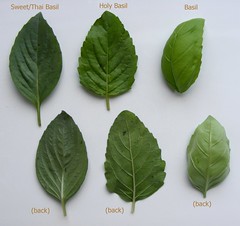
This week's CSA bounty from One Straw Farm had several familiar vegetables - corn, green beans, Roma tomatoes, red leaf lettuce, and Anaheim hot peppers - as well as a few unexpected surprises including cantaloupe and Thai basil.  Many people were unfamiliar with the Thai basil, an aromatic and sweet basil that carries warm notes of anise and pepper.  Although it works well in any curry, stir-fry, soup or salad, having Thai basil on hand is a wonderful excuse to find some rice paper wrappers and make fresh Vietnamese spring rolls.

Photo credit: http://whiteonricecouple.com/recipes/how-roll-fresh-spring-rolls/

Preparing spring rolls can seem like a daunting task, but after making them once you may be surprised at the simplicity of this versatile recipe. They are substantive yet refreshing, and they make for great pot luck dishes or dinners when it's too hot to cook.  Rolling spring rolls is also a great way to gather family and friends around the table.  The key to success with spring rolls is to prep all ingredients before you commence with the rolling, and to give yourself plenty of space to spread out.

This recipe has been adapted from an excellent photo tutorial by Todd Porter and Diane Cu at the blog "White On Rice Couple," http://whiteonricecouple.com/recipes/how-roll-fresh-spring-rolls/.  Their step-by-step photo instructions are definitely worth a look.

Step 1: Gather Your Ingredients
Once you get the hang of making spring rolls you can vary the ingredients according to your tastes and what you have on hand, but the essential ingredients are 1) rice paper wrappers 2) vegetables 3) herbs and 4) optionally, hearty fillings such as vermicelli noodles, grilled mushrooms, or cooked shrimp.

A sample ingredients list for 15 simple vegetarian spring rolls would look like this:

  • 1 packet of rice paper wrappers, found in the international section of your supermarket or at Asian grocery stores. They come in dry sheets and will be soaked in water to become pliable before rolling. 
  • 1 packet of vermicelli noodles. You may see these packaged as rice vermicelli noodles or bean thread noodles, and they can also be found in international sections or Asian grocery stores. These will need to be cooked before rolling, and you can omit them if you prefer rolls with more vegetables.
  • 1 head of large-leaf lettuce (such as the bunch of red leaf lettuce that came with this week's CSA)
  • 2 large cucumbers
  • 2 large carrots
  • 1 cup of fresh mung bean sprouts (not necessary if you can't find them, but they add a nice crunch)
  • 1 bunch of Thai basil 
  • 1 bunch of cilantro or mint
Step 2: Prep your cooked and cold ingredients
If you've recruited some friends to help you, this is a good time to divide and conquer. Set each ingredient into its own bowl or plate and lay the bowls out on the large kitchen table or counter where you will roll. 
  • Vermicelli noodles: These are so thin that they barely need to be cooked.  Bring a pot of water to a near-boil, add the noodles (half or a quarter of the package will be enough) and cover, turn the heat off, and let the noodles soak in the hot water for 5-10 minutes. Once they are soft, rinse and drain them under cold water to prevent clumping, and then take a pair of kitchen scissors and cut the noodles into 2-3 inch sections.
  • Lettuce: Wash and tear the lettuce into medium-sized pieces.
  • Cucumbers and carrots: Peeled or unpeeled is your decision. Cut these into thin matchsticks.
  • Bean sprouts: Just rinse these and leave them whole.
  • Herbs (basil, cilantro, and /or mint): Rinse the herbs and then pinch off the leaves so that they are ready to be placed in the rolls.
Step 3: Roll!
Todd and Diane's photo tutorial is helpful here when you're first learning.  The steps are 1) soak the rice paper 2) load up your ingredients and 3) roll!

The trickiest part is soaking the rice paper wrappers.  Todd and Diane recommend soaking each wrapper in warm water for 2 seconds before rolling. It may take longer - up to a minute - for your wrappers to become pliable and translucent.  A pie plate or other flat-bottomed dish works well here to hold the water.

Once you soak your wrapper and lay it out, load up your ingredients: a little bed of lettuce, a thin line of vermicelli, a few matchsticks each of the cucumber and carrot, a few bean sprouts, a few leaves each of the fresh herbs, and any other ingredients you're using.  Lay the ingredients out in a thin rectangular shape close an inch or two away from the bottom of the wrapper (whichever edge is closest to you). 

When you're ready to roll, tuck the bottom of the wrapper up and over the filling. Then tuck the left and right sides of the wrapper in so that the filling is in a little rice paper packet, and roll the filling away from you.  The stickiness of the soft rice paper can be tricky to work with, but this is what helps to keep the roll closed. 

Step 4: Enjoy!
Spring rolls can be eaten plain, but are also wonderful with hoisin sauce or a sweet chili sauce.  You can buy a decent sweet chili sauce at most grocery stores, but if you're feeling adventurous you can also concoct your own.  Fresh spring rolls are best when eaten right away but will last for a day or two in the fridge, making for easy leftover lunches.  Try to leave a little space between rolls if you're storing them for any amount of time, as they can stick together. And if you have leftover rice paper wrappers and vermicelli, you can make these rolls again with the fresh vegetables and herbs from your next CSA share!



Tuesday, August 14, 2012

Summer squash frittata

6 eggs
grated cheese
salt + pepper + red pepper flakes
butter or oil for pan

1 tbsp olive oil
salt
1 onion
1 - 2 yellow squash / zucchini, sliced thinly
3 - 4 small potatoes, sliced thinly
4 cherry tomatoes
handful or two of basil, chopped
more grated cheese
balsamic reduction, if you're feeling fancy


I don't have a cast iron skillet (yet), so I make frittatas by baking them - without starting them on the stovetop. Bear with me.

Preheat oven to 450 and grease a small baking dish or pie dish. Beat the eggs, salt, pepper and red pepper flakes in a small bowl and mix in some grated cheese. Set aside.

Heat the olive oil in a skillet and add onions and salt. Saute until tender, 5 minutes or so. Add yellow squash / zucchini, potatoes and tomatoes (and whatever else you want to use up, of course). Cover and cook for another 3-5 minutes, until vegetables are tender. 

Pour eggs and veggie mixture into baking dish. Bake for 10 minutes. Remove from oven, top with basil and grated cheese. Return to oven and bake for another 5 minutes. Remove from oven, drizzle with balsamic reduction, and serve. 

Thursday, May 31, 2012

Strawberry basil bruschetta

Happy strawberry day! A BIG thanks to One Straw Farm for the surprise delivery of 200+ pints of pre-CSA season berries today! If you manage to resist eating them on your way home, try this. It's one of my favorite things to make this time of year.


1-2 pints fresh strawberries, diced
2 tablespoons balsamic vinegar
1/2 cup fresh basil leaves, chopped
baguette
goat cheese


Combine strawberries, balsamic vinegar and basil in a small bowl. Slice baguette diagonally and toast in a preheated oven (broiler) or toaster oven on a baking sheet (1-2 minutes per side). Spread goat cheese on toasts and top with bruschetta. YES.

The bruschetta will last for a day or two in your fridge, but it will lose its form fairly quickly. Would make a delicious salad dressing at that point!

Sunday, August 14, 2011

Chickpea Summer Squash Curry

I usually end up grilling summer squash or scrambling it with eggs and whatever other veggies I have on hand, but it's also delicious in a curry! Any variety of summer squash or zucchini will work here, and next time I'll try adding some hot peppers in addition to the bell.

Ingredients:
  • 2 tablespoons olive oil
  • 1 onion, chopped
  • 1 can chickpeas, drained and rinsed
  • 4-6 summer squash, cubed
  • 1 bell pepper, thinly sliced
  • 2 cups veggie broth
  • 1 can light coconut milk
  • 2 tablespoons curry powder, plus more to taste
  • sea salt
  • juice of one lime (or lemon)
  • handful chopped basil
  • handful chopped scallions
Add the onion to the olive oil over medium heat and saute for a few minutes, until the onions begin to soften. Add chickpeas, summer squash, pepper, broth, coconut milk, and curry powder. Simmer for 10-15 minutes until veggies are cooked through and curry reduces a bit. Remove from heat. Add salt, lime juice, basil, scallions, and more curry powder to taste. Delicious over brown or wild rice.

Monday, October 19, 2009

Bell Peppers

Bell peppers are really fun vegetables to cook with, offering many tasty combinations and possibilities. Their color keeps beautifully when cooked, and their shape allows for some really creative and fun serving options. Below are some of my favorite bell pepper recipe. They are delicious and each use peppers in a completely different way. Happy cooking!

Creole Stuffed Peppers
courtesy of Veganomicon: The Ultimate Vegan Cookbook
by Isa Chandra Moskowitz & Terry Hope Romero

4 large bell peppers
2 tablespoons olive oil
1 medium yellow onion, finely chopped
2 jalapeños, cut in half, seeded, and finely sliced
1 cup carrots, finely diced
4 cloves garlic, finely chopped
2 dried bay leaves
1 teaspoon dried oregano
1 teaspoon dried basil
2 teaspoons paprika
3 sprigs fresh thyme (or 1 teaspoon dried)
1 teaspoon salt
1 15-oz. can diced tomatoes
2 15-oz. cans black-eyed peas, drained and rinsed
1/4 cup chopped fresh parsley (or 1 teaspoon dried)

Directions: Preheat the oven to 350 degrees F and grease a 9x13-inch casserole dish with a little olive oil. Bring a large pot of water to a boil.

Cut the peppers in half lengthwise through the stem end. For aesthetic purposes, try to leave the stem intact on one side; if you can't manage it, no love lost. Remove the seeds and membranes. Submerge the peppers in the boiling water and cover. Let them boil for 5 minutes, then drain them immediately and rinse with cold water to cool them down a bit.

Meanwhile, heat the oil in a large skillet over medium-high heat. Saute the onions, jalapeños, and carrots for about 10 minutes. You want the veggies to brown, especially the carrots. If it looks like they are steaming rather than browning, then raise the heat a bit. Add the garlic about 5 minutes into the cooking process.

Add the bay leaves, the other herbs and spices, and the salt; saute for 1 more minute. Add the tomatoes and peas, stir and cover, and cook for 10 minutes. If it seems too liquidy then remove the cover and cook long enough to reduce some of the liquid. Mix in the parsley.

Remove the bay leaves and thyme sprigs. The mixture will be hot, so we find it's easier to just remove the herbs while filling the peppers; just be on the lookout for them.

Spoon a little less than 1/2 cup of the veggie mixture into each pepper half. Again, the filling will be hot, so be careful while you are handling it. Place the pepper halves in the casserole dish and bake for about 25 minutes.

Lemon-Garlic Chick Pea Dip with Bell Peppers
courtesy of Rachael Ray

1 15-oz. can chick peas, drained
1 clove garlic, cracked from its skin
1 lemon, zested and juiced
4 to 5 sprigs fresh thyme leaves, stripped from stems
coarse salt and pepper
a few drops hot sauce, to taste
1/4 or so of olive oil

Directions: combine all ingredients except olive oil into a food processor. While processing, stream in olive oil. Transfer to a dish, and serve with slices of raw bell pepper (and any other veggies you have on hand)!

Homemade Bell Pepper Pasta Sauce

2-3 tablespoons olive oil
1 medium onion, finely chopped
2-3 bell peppers of assorted colors, diced
4 cloves garlic, minced
2 cans diced tomatoes with Italian seasoning, coarsely pureed by hand (just mash with a fork)
2 tablespoons tomato paste
salt and pepper, to taste
crushed red pepper flakes, to taste
1/2 teaspoon sugar
fresh or dried basil, tarragon, parsley

Directions: Heat olive oil in a medium-sized saucepan. Add diced onion and saute until translucent, 5-7 minutes. Add the garlic, cooking until the garlic is fragrant, about another minute. While this is cooking, take the mashed diced tomatoes and add to it the tomato paste, herbs, pepper flakes, sugar, salt, and pepper. Pour this mixture into the onions, and simmer over medium heat for about 20 minutes, stirring occasionally. Add the diced bell peppers, and continue to cook until the peppers are tender. Serve over pasta of your choice.

Monday, September 21, 2009

Eggplant


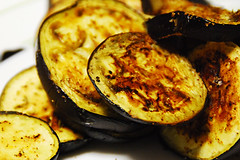
Eggplant is one of the heartiest vegetables out there, and makes Meatless Monday that much easier every week since it's so easy to make into a filling, satisfying main course. The first thing most people think of when they have eggplant on the brain is, of course, Eggplant Parmesan. I'm sure that many of you already have your favorite Eggplant Parm recipe, so I won't add my own today. Instead, I have a few recipes that try to veer away from frying and sauteing. Eggplants soak up much more fat than other vegetables when cooking in the aforementioned ways, so if you're trying to eat on the healthier side you should stick to baking, broiling, or grilling it. Believe me, I love fried food as much as the next person, and these other options are equally delicious and easy to make - you won't be disappointed.

Roasted Eggplant with Basil and Lemon

1 large eggplant
3-4 tablespoons extra virgin olive oil
3 cloves garlic, minced
2 tablespoons dried basil, thyme, and/or Italian seasoning
salt and pepper, to taste
2 tablespoons lemon juice

Directions: Cut the eggplant lengthwise into slices about 1/2 inch thick. Place slices on a paper towel and salt each one. Let sit for 30 minutes to drain excess moisture, then pat with paper towels. Preheat the oven to 400 degrees F. Lightly grease a baking sheet or shallow roasting pan. Add the garlic, herbs, salt, and pepper to the oil and mix thoroughly. Then, brush each eggplant with the oil and herb mixture. Roast in the oven for 25 to 30 minutes, until soft and golden brown. Remove from the oven, sprinkle with lemon juice, and serve.

Honey Glazed Roasted Vegetables
courtesy of eggplantrecipes.net

1/4 cup honey
1/4 cup extra virgin olive oil
3 tablespoons balsamic vinegar
1 clove garlic, crushed
salt, pepper, dried thyme, to taste
4-6 cups mixed halved red potatoes, sliced zucchini, thickly sliced onions, red peppers, carrots, sweet potatoes, sliced eggplant (any vegetables you have on hand, really)

Directions: Preheat oven to 400 degrees F. Combine honey, olive oil, balsamic vinegar, garlic, thyme, salt, and pepper in a small bowl and mix well. Arrange the cut vegetables in a roasting pan and brush the honey mixture over the vegetables, incorporating well. Bake for 30 minutes, stirring occasion
ally.

Eggplant "Steaks"
courtesy of Alton Brown, FoodNetwork.com

1/4 cup teriyaki sauce
1/4 cup thick steak sauce

1/2 cup extra virgin olive oil
2 tablespoons honey

2 tablespoons apple cider vinegar
salt and pepper, to taste
8 (1/2 inch) eggplant slices, purged with salt (see first recipe for directions)
1 cup Parmesan cheese, grated
3 tablespoons fresh parsley, optional

Directions: In a small bowl whisk together the teriyaki sauce, steak sauce, olive oil, honey, and apple cider vinegar. Season with salt and pepper. Pat your eggplant dry with paper towels. With a pastry brush apply the sauce to both sides of the eggplant. Place eggplant rounds onto a sheet tray fitted with a rack. Place the tray under the broiler for until eggplant is nicely browned, approximately 2 minutes. Turn slices over and place back under broiler to brown the other side. Generously sprinkle freshly grated Parmesan over all of the slices. Place back under the broiler for 1 minute to nicely brown the cheese. Serve plain or sprinkle with freshly chopped herbs. (Not everyone has a tray with a fitted rack and/or a broiler option in their oven, so feel free to grill the eggplant slices instead of the above option. )

Monday, September 14, 2009

Basil


Basil is an especially versatile herb. Whereas most herbs and spices remain in the background to add complexity and additional flavor (which is a very important job to have, don't get me wrong), basil can often take center stage in many dishes. It complements a large variety of other flavors, vegetables, and fruits, and can be used in sauteed dishes, soups, sauces, eaten raw, or even used in desserts. I highly suggest buying a living basil plant the next time you're at your local farmers market. Mine is simply in a small pot on my windowsill, no outdoor plot of land or any real effort required. It is such a beautiful and aromatic plant, and what's even better is that now you'll have fresh homegrown basil at your disposal every time you're cooking a meal.


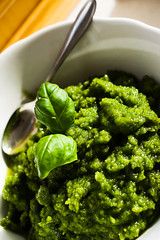
Basil Pesto

About 2 cups fresh basil, packed
2 cloves garlic, roughly chopped
1/4 pine nuts (or walnuts if you prefer or have them on hand)
2/3 cup extra virgin olive oil
Salt and pepper, to taste
1/2 Pecorino cheese, grated

Directions: Toast the pine nuts or walnuts in a small frying pan - you'll know that they're done when they are lightly browned and very fragrant. Combine the nuts, basil, and garlic in a food processor and pulse until everything is coarsely chopped. Slowly add the oil as you continue to process, until fully incorporated and smooth. Add the salt and pepper. Add the rest of the oil and pulse, again until smooth and fully incorporated
. Remove from food processor and place into a serving bowl with the Pecorino cheese, and mix until that is also fully incorporated.


Stir-Fried Asparagus and Basil with Spicy Orange Sauce
courtesty of Jack Bishop's 'Vegetables Every Day'

1/3 cup orange juice
1 1/2 tablespoons soy sauce
Crushed red pepper flakes, to taste
1 1/2 pounds asparagus
4 teaspoons peanut oil
2 cloves garlic, minced
1 tablespoon fresh minced ginger, or about 1 teaspoon powdered ginger
1/2 fresh basil leaves, packed

Directions: Combine the orange juice, soy sauce, and crushed red pepper flakes in a small bowl and set aside. Snap off the tough ends of the asparagus. If the asparagus are thin, cut them on the diagonal into 2-inch pieces. If the asparagus are average or thicker, cut the spears in half lengthwise and then on the diagonal in 2-inch pieces.

Heat 1 tablespoon of the oil in a large nonstick skillet set over high heat. When the oil is shimmering but not smoking, add the asparagus and stir-fry for 2 minutes. Push the asparagus to the sides of the pan and place the garlic and ginger in the center. Drizzle the remaining 1 teaspoon oil over the garlic and ginger. Cook until fragrant, about 20 seconds. Add the orange juice mixture, toss to coat well, and cover. Cook until the asparagus are tender, 2 to 3 minutes, depending on the thickness of the spears. Remove the cover and add the basil. Stir-fry until the sauce has reduced to a thick glaze, about 30 seconds. Serve immediately.


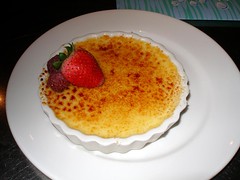
And if you're really adventurous and love making desserts, try this basil creme brulee! It is my absolute favorite dessert, and the basil adds a really earthy and sweet flavor that really puts this dessert over the top.

Lemon Basil Creme Brulee
courtesy of Ristorante Terrazza

4 cups heavy whipping cream
1 lemon, peeled
4 basil leaves
8 egg yolks
1 cup sugar
A pinch of salt
1 cup granulated sugar for caramelizing

Directions: Place the cream, lemon peel and basil in a heavy saucepan at medium temperature. Meanwhile whisk together the yolks, sugar and salt in a large bowl. When the cream is hot, slowly whisk in about 1 to 2 cups of the hot cream into yolks to temper it (i.e. bring it to the same temperature). Whisk in the remaining cream and strain through a fine mesh sieve. Divide the custard among 6 to 8 oz. ramekins. Set the ramekins in a shallow roasting pan and fill with enough hot water to reach halfway up the sides of ramekins. Carefully set pan in the oven and bake for about an hour at 300 degrees f. To test doneness of the custards, gently shake one. If it moves in one mass, they are done. Refrigerate until cold. Divide the remaining cup of sugar equally among the tops of the ramekins, and melt the sugar until crispy and slightly browned with a torch. Allow to cool for about 5 minutes, and serve.

Sunday, August 23, 2009

Watermelon


It's tempting to dig right in to a freshly cut raw watermelon, but if you can hold off long enough to make a recipe, the ones that follow will really be worth the wait. Melons are surprisingly versatile foods to work with, and complement many other flavors. They can be pureed into delicious salad dressings or cold summer soups, dressed with various sauces, or even grilled. Below are some of my favorite easy watermelon recipes. Summertime is never truly complete without some juicy, red watermelon, and these recipes really bring out the best of the summer season.

Simple Watermelon Basil Vinaigrette

4 cups watermelon, drained
1/4 cup red onion, chopped
2 tablespoons honey
1/4 cup champagne or apple cider vinegar
3/4 cup canola oil
2 tablespoons fresh basil, chopped
1 tablespoon fresh parsley, chopped
salt and pepper, to taste

Directions: Place all in ingredients in a blender. Pulse until fully mixed. Flavor with salt and pepper.

Paula's Easy Watermelon Dessert
courtesy of Paula Deen, FoodNetwork.com

1/4 cup pineapple juice
1/4 cup honey
1/4 cup lime juice
2 tablespoons salt
1 1/2 teaspoons ground ginger
1 watermelon (about five pounds)

Directions: Mix all ingredients except the watermelon together in a large bowl. Slice t
he watermelon, remove the seeds, and cut into cubes. Place into individual bowls, drizzle with the pineapple-honey-lime sauce, and serve.

Tomato, Watermelon, and Basil Skewers
courtesy of Giada De Laurentiis, FoodNetwork.com

1/4 cup balsamic vinegar
1/4 cup sugar
1 watermelon (4-5 lbs) cut into 32 (1 1/2 inch) cubes
32 small basil leaves
16 cherry tomatoes, halved
2 tablespoons extra virgin olive oil
kosher salt
special equipment: 16 skewers

Directions: Bring balsamic vinegar and sugar to a simmer over heat, mixing together until fully dissolved. Set aside. Starting with the watermelon, push cube to end of the skewer. Follow with a basil leaf, then a tomato half - then repeat once more. Drizzle with the balsamic sugar glaze, sprinkle with salt, and serve.

Watermelon Muffins
courtesy of Peggy Trowbridge Filippone, About.com

1-1/2 cups flour
2 teaspoons baking soda
1 teaspoon baking powder
1/8 teaspoon cinnamon
1/8 teaspoon salt
6 Tablespoons (3/4 stick) butter, at room temperature
2/3 cup sugar
2 eggs
1/2 cup sour cream
1 cup (about 1/8 medium seedless watermelon) watermelon juice with pulp (see Note)
Red food coloring, optional
3/4 cup miniature chocolate chips
Confectioners' sugar, optional

Directions: Preheat oven to 350 F. Line standard or miniature muffin tins with baking paper cups.

Whisk together flour, baking soda, baking powder, cinnamon, and sugar in a medium bow
l. Set aside. In a large bowl, cream butter and sugar. Beat in eggs. Add sour cream and watermelon, beating just until combined. (A few drops of red food coloring may be added to the batter to enhance the color to simulate watermelon.) Fold in chocolate chips.

Fill muffin tins 3/4 full. Bake 20 to 25 minutes for standard muffins or 15 to 18 minutes for mini-muffins. Place muffins on racks to cool. Just before serving, sift with powdered confectioners' sugar, if you wish.

Yield: 12 standard muffins or about 48 mini-muffins

Note: Cut seedless watermelon into cubes and process in a food processor or heavy-duty blender until thick with small bits of pulp still remaining. You will need 1 cup of processed watermelon.

Monday, August 17, 2009

It's Tomato Time!


Nothing excites me more than tomato season, and all of the delicious possibilities this time of year implies. Whether they are cherry, grape, roma, heirloom, or any other type of tomato, there are thousands of simple, elegant, and mouth-watering recipes available to you. I normally turn right to the Food Network during my recipe hunt, and lucky for us their current in-season feature this week is none other but the tomato! Below are some of my personal favorites that have both tomatoes and other in-season vegetables for you to enjoy.

Ratatouille
courtesy of Julia Child, in 'The Way to Cook'

1 lb. fresh shiny firm eggplant
salt, as needed
1 lb. zucchini
1/4-1/3 cup olive oil, as needed
Thyme, oregano, or a bottled herb blend
1 lb. onions (about 3 1/2 cups sliced)
2-3 large green bell peppers
3 large cloves garlic, minced
3 cups tomato pulp (fresh tomatoes peeled, seeded, juiced)

Directions: Cut the eggplant into crosswise slices 3/8 inch thick. Salt lightly on each side and spread on paper towels. Cut zucchini lengthwise into 2-inch slices 3/8 inch thick. Salt the zucchini. Let both vegetables stand 20 minutes; pat dry in paper towels.
- Baking the eggplant: Preheat the oven to 400 degrees Fahrenheit. Arrange the eggplant on a cookie tray, paint lightly with oil, and sprinkle with herbs. Cover with aluminum foil and bake 15-20 minutes, until just tender.
-The rest of the vegetables: preheat olive oil in large skillet. Lightly brown zucchini on both sides; remove to paper towels. Add more oil if necessary, and saute the onions until tender but not browned. Stir in the peppers and garlic; fold and toss over moderately high heat for several minutes, until fairly tender. Set aside 1/2 cup of the tomatoes, and fold the rest into the onions and peppers; toss, adding salt and herbs to taste, until the tomatoes have rendered their juice; continue for several minutes until the juices have almost boiled off.
-Finishing the ratatouille - about 30 minutes - Set aside best looking eggplant for the top. Arrange the vegetables in a casserole, starting and ending with the onion-pepper-tomato mixture. Arrange the reserved tomato and eggplant decoratively over the top. C
over and bring to a simmer over moderate heat, either on top of the stove or in a 325 degree Fahrenheit oven. When bubbling gently, uncover, tip the casserole, and baste with the juices rendered; repeat several times until the juices have almost evaporated. Serve hot, warm, or cold.

(this may look like a lot of steps, but it is very easy and definitely worth the effort!)

Homemade Tomato Soup
courtesy of Michael Chiarello

1 lb. fresh tomatoes, chopped
3/4 cup extra virgin olive oil
Salt and pepper, to taste
1 stalk celery, diced
1 carrot, diced
1 onion, diced
2 cloves garlic, minced
1 cup vegetable broth
1 bay leaf
2 tablespoons butter
1/4 cup fresh basil leaves, chopped
1/2 cup heavy cream, optional

Directions: Preheat oven to 450 degrees F. Strain the chopped tomatoes, reserving the juices, and spread onto a baking sheet, season with salt and pepper, to taste, drizzle with 1/4 cup of the olive oil and roast until caramelized, about 15 minutes. Meanwhile, in a saucepan, heat remaining olive oil over medium-low heat. Add the celery, carrot, onion and garlic, cook until softened, about 10 minutes. Add the roasted chopped tomatoes, reserved tomato juices, vegetable broth, bay leaf and butter. Simmer until vegetables are very tender, about 15 to 20 minutes. Add basil and cream, if using. Puree with a hand held immersion blender until smooth.

Monday, August 3, 2009

Summer Time means Summer Squash


Well folks, we are in the peak of summer, and many of you have probably noticed that summer squash is also peaking as they pile up in your weekly CSA share or at your local farmers' market. It is easy to turn to the usual steamed or sauteed squash dish each night with dinner, but it can be equally easy to use them in a completely new and unique way with nearly the same ingredients and time. Because squash are so plentiful and popular in the US, a quick internet search of "summer squash recipes" will yield thousands of results. I personally use the Food Network site as my go-to recipe finder, but there are many other websites out there, and I highly suggest searching around for your own favorite. Here are a few squash and zucchini recipes that I love to get you started. Happy hunting!

Summer Squash Soup with Basil
courtesy of Food Network's Curtis Aikens
fresh basil, julienned
2 tablespoons olive oil
1 1/4 pounds summer squash of any variety, roughly chopped
1 large onion, chopped
6 cups vegetable stock*
1/2 cup basil, julienned
1 1/2 tablespoons butter, softened
1 1/2 tablespoons flour
Salt and pepper, to taste
Juice of 1 lemon
Sour cream or plain yogurt, optional
*I sometimes add a 1/2 cup or so of cream in place of that same amount of stock to help give it a thicker, creamier texture

Directions: Heat the oil in a large saucepan or stockpot, add zucchini and onion. Saute for 5 minutes or until onions are translucent and zucchini is crisp tender. Then add stock, bring to a boil, reduce heat and partially cover and cook for 25 minutes. Add basil during the last 5 minutes of cooking. Mix the butter and flour together into a paste. Remove 1 cup of simmering stock and whisk in butter mixture until smooth. Add back into soup, stir until thickened. Remove soup from heat to a blender and puree until smooth. Taste and season with salt and pepper. Add lemon juice and serve with a dollop of sour cream or yogurt. Serve with toasted sourdough bread, if desired.

Summer Squash Pancakes
courtesy of About.com's Diana Rattray

3 cups grated summer squash
1/2 teaspoon salt
1 tablespoon fresh chopped parsley
1-2 cloves garlic, minced
3/4 cup grated Parmesan cheese
1 large egg
1 cup biscuit mix
Pepper, just a dash or to taste
milk as needed

Directions: Combine all ingredients in a mixing bowl. Add enough milk as necessary to make a thin pancake-like batter. Drop by spoonfuls onto hot oiled griddle or skillet. Turn over when bottom is golden and cook until browned on both sides. Serve with butter, sour cream, or any desired topping.

Zucchini "Pizza"
courtesy of About.com's Diana Rattray

3 cups zucchini, grated
3 eggs, well beaten
1/2 cup flour
salt, to taste
2 1/2 cups mozzarella cheese, shredded
1/2 cup black olives, chopped
1/2 green onions, finely chopped
1/2 artichoke hearts or pickled peppers, finely chopped
jalapeno peppers, optional
1 tablespoon fresh oregano (1 teaspoon if using dried)
1 1/2 teaspoons fresh basil (1/2 teaspoon if using dried)
3 to 4 tomatoes, thinly sliced
salt and pepper, to taste

Directions: Generously butter a 9x13-inch baking pan. Preheat oven to 450°. Put grated zucchini in a colander and press out as much excess liquid as possible. Put zucchini in a mixing bowl. Add well-beaten eggs, flour and salt. Mix well and spread in buttered pan. Bake in a 450° oven for 8 minutes. Remove pan and reduce oven temperature to 350°. Cover the zucchini base with cheese. Combine ripe olives, onion, and chopped pickled peppers. Spread over cheese. Arrange jalapeno pepper rings over top. Sprinkle with fresh or dried herbs. Arrange tomatoes on top. Sprinkle with salt and pepper. Bake at 350°, uncovered, for 25 minutes.

Monday, July 20, 2009

Leftover CSA Produce?

I'm sure there are some of you out there that, like me, can't always keep up with the produce items that you receive every week in your shares. From my own experience, the most common leftovers in the fridge by the end of the week are greens and cabbage. I am sharing with you some very easy recipes that I have come up with that will hopefully both taste great and help empty out your fridge before tomorrow's veggies arrive. The cabbage soup, a variation of a soup that my mom would always make for my family, can use up to a half a head of cabbage at a time and requires almost no effort past chopping a bunch of vegetables (and has almost no calories!). The other two recipes can use collards, kale, chard, or any hearty green you have lying around. I often add extra veggies, or change up the herbs and spices I put in when I get bored. Have some fun, and happy cooking!


Quick and Easy Cabbage Soup

3 cups vegetable broth
2 cloves garlic, minced
2 15-oz. cans of pre-seasoned diced tomatoes (Italian or Mexican)
½ - 1 head cabbage, coarsely chopped
1 medium onion, chopped
1 cup carrot, chopped
½ cup zucchini, chopped (optional)
Basil and oregano, to taste
Salt and pepper, to taste

Directions: Add all ingredients to a large dutch oven or soup pot. Bring to a boil, cover, and simmer on low heat until all ingredients are cooked thoroughly and cabbage is transparent. Season to taste. For a spicier soup, add some diced chilies or jalapeno salt.

Sautéed Collard Greens and Cabbage

3 tablespoons extra virgin olive oil
1 medium onion, sliced
2 tsp crushed chili flakes, optional
2 cloves garlic, minced
¼ - ½ a head of cabbage (depending on the size of the head), sliced
1 bunch (about ½ a pound) of collard greens, center stem removed, sliced
Salt and pepper, to taste
1 tablespoon lemon juice, optional

Directions: Heat the olive oil over medium heat in a large skillet or wok. Add the sliced onion and crushed chili flakes if using, and sauté for a few minutes until they begin to soften and lose color. Add the minced garlic, salt and pepper, and continue to sauté until the garlic becomes fragrant. Stir frequently so the garlic does not burn. Once the onions are translucent and the garlic fragrant, add the sliced cabbage and greens. Frequently toss with tongs to coat cabbage and greens in oil, and to thoroughly cook all ingredients. The greens will first turn a fluorescent green, and then become steadily darker as they cook. Add more salt and pepper to taste. The dish is complete when cabbage is transparent, collard greens are a dark green color, and both are fully wilted. If using, add lemon juice right before removing from pan and serving – if added too early on, it can make the greens lose their vibrant green color.

Sautéed Greens and Mushrooms with Balsamic Vinegar

2 tablespoons extra virgin olive oil
1 red onion, thinly sliced
2 cloves garlic, crushed and finely chopped
2 portabella mushroom caps, cleaned* and cut into ¼ inch slices, OR 1 cup button mushrooms, cleaned* and sliced
½ tablespoon chopped rosemary
1 tsp cayenne pepper
1 bunch (approx. ½ a pound) of collard greens, kale, chard, or any other dark leafy green that holds up well to cooking and heat (not spinach), thick center stem removed, sliced or coarsely chopped
2 tsp sea salt
Pepper, to taste
¼ cup balsamic vinegar or Marsala cooking wine

Directions: Heat the oil in a large skillet over medium heat. Add the sliced onion, and cook for a few minutes until they begin to soften and lose color. Add the garlic and cook about a minute more, until fragrant. Add the mushrooms, rosemary and cayenne pepper. Continue cooking until mushrooms are tender, stirring frequently. De-glaze the skillet with the balsamic vinegar or Marsala wine, and cook about a minute more. Add the greens, sea salt** and pepper to taste. Toss the greens frequently to cook thoroughly. The dish is done when the greens are fully wilted and darker in color.

*To clean mushrooms, do not rinse in water. Take a dry, clean paper towel and gently rub any remaining dirt off of the caps and stems.

**As a general rule, do not add salt to mushrooms until they are almost fully cooked, as salt will promote dryness and much faster cooking when added to raw mushrooms.

Recipe for New Potatoes


New potatoes, although given a special name, are nothing more than young versions of potatoes of any variety. They are picked before reaching full maturity, thus giving them the thin, flaky skin and enhanced taste for which they are known. So what exactly causes these traits? Potatoes that are picked at a younger age have less time to develop a tough skin or process a lot of their sugars into carbohydrates. This leaves you with a delicate layer of skin that never has to be peeled, and a much more heightened, sweeter overall flavor - and for those of you watching your carb intake, less of those too!


While you can easily replace potatoes with new potatoes in any of your recipes, I think it's fun to also explore the more delicate side of the new potato to bring out its unique personality and flavor. The recipe below pairs new potatoes with shallots. Shallots are related to onions and have a reminiscent flavor, but are much more mild and sweet. These qualities will bring out the sweetness of the new potato without overpowering it as a red or white onion might. I have tried this recipe with normal potatoes and onions though, and it is still delicious - so please, use whatever you have on hand, this is a very fun and simple dish to make! Enjoy!

Crunchy New Potatoes with Sautéed Shallots and Fresh Herbs

8-10 new potatoes, scrubbed
4 tablespoons unsalted butter
1 medium-sized shallot, thinly sliced
Salt and pepper, to taste
Fresh basil, oregano, thyme (whatever you have on hand) chopped, to taste

Directions: Melt butter in a heavy-bottomed saucepan. Leave smaller (1 – 1 1/2 inches in diameter) potatoes whole, while halving or quartering larger potatoes. Place the potatoes in the saucepan and cover. Cook on medium heat for 15-20 minutes, shaking the pot occasionally to keep the potatoes from sticking to the bottom. Add the sliced shallot, salt, pepper, and chopped fresh herbs. Recover and cook until shallots are translucent and potatoes tender and golden brown, shaking the pot now and then to distribute herbs and thoroughly cook the potatoes.

Friday, September 12, 2008

got tomatoes?

does everyone remember Julia's dear friend Jacques? my husband has been reading his biography and found this wonderfully simple recipe for primavera pasta. now you are probably conjuring up the same images i did when i heard that dish's name.....a sloppy mix of broccoli, squash, carrots and whatever else was left in the crisper drawer of the refrigerator with a heavy tomato sauce. well my friends this recipe couldn't be farther from the plate. with all of the heirlooms coming from the farm you'll definitely want to try this one out. and the best thing is, its super quick and light.....

Giobbi's primavera pasta (from Jacques Pepin)
tomato sauce:
1 lb ripe tomatoes (2-3)
1 tsp finely chopped garlic
3/4 tsp salt
1/2 tsp freshly ground pepper
1/3 c olive oil
1 c shredded basil leaves
salt to taste

pasta:
8 cups of water
penne or bow tie pasta (we actually made our own fettuccine and it was great)
1/3 c finely grated Parmesan cheese

for sauce:
cut the tomatoes in half crosswise, parallel to the stems, and gently press out the seeds. cut into 1/2 inch pieces and put in a bowl large enough to hold the finished dish. add the remaining sauce ingredients and toss.

for pasta:
salt the water and bring to a boil. add the pasta and bring back to a boil. boil uncovered until al dente. add a 6 oz ladle of the hot pasta water to the tomato mixture. drain the pasta and add to the tomato mixture. toss thoroughly. divide into plates and sprinkle generously with Parmesan cheese!

you will definitely want some crusty bread to sop up the delicious sauce that is left behind!

Friday, July 25, 2008

Parmesan-Crusted Squash recipe from Whole Foods

We used up all our yellow squash last night with this recipe. The result is a crunchy, salty exterior with a delightful sweet, burst in the middle! We added extra olive oil to the pesto so that it stuck more easily to the squash.
-Johanna

Parmesan-Crusted Squash with Fresh Tomato Sauce

Vegetarian

Fresh and sundried tomatoes blend together for a simply delicious tomato sauce that perfectly complements the herbed topping in this recipe. This breading method is also delicious for chicken and fish.
Serves 6

* 1/2 cup panko breadcrumbs
* 1/2 cup shredded Parmigiano-Reggiano
* 1/4 cup chopped parsley
* 1/2 teaspoon red pepper flakes
* 1/2 cup prepared basil pesto
* 2 pounds zucchini or yellow squash, cut on an angle into ½-inch thick rounds
* 4 oil-packed sun-dried tomatoes, drained
* 1 pound ripe tomatoes, cored and quartered
* 1/2 cup orange juice
* Salt and pepper to taste

Preheat oven to 425° F. Line a baking sheet with parchment paper; set aside.

Put breadcrumbs, Parmigiano-Reggiano, parsley and red pepper flakes into a wide, shallow dish and mix well. Spread a bit of the pesto on both sides of each piece of squash, then transfer to dish and press gently to coat on both sides with breadcrumb mixture. Transfer squash to prepared baking sheet and bake until golden brown and crisp, 20 to 25 minutes.

Meanwhile, put sun-dried tomatoes, fresh tomatoes, orange juice, salt and pepper into a food processor or blender and puree until smooth. Serve squash hot or at room temperature with tomato sauce on the side.
Nutrition Info

Per serving (about 10oz/291g-wt.): 220 calories (130 from fat), 14g total fat, 3g saturated fat, 8g protein, 17g total carbohydrate (4g dietary fiber, 7g sugar), 10mg cholesterol, 540mg sodium

Friday, July 18, 2008

Frittata

Found this frittata recipe on epicurious.com. great for our csa veggies. you could probably subsitute (and add even more of) any greens. the chard really goes to nothing, especially when it's finely chopped. i did not use prosciutto or zucchini blossoms, and it was perfect without them. used a tiny bit of feta to make up for the saltiness lost with the prosciutto, but it was probably not even necessary. the parmesan is perfect. as this was my first frittata experience, i was afraid to be aggressive when it was cooking on the stove before the oven (recipe says to lift cooked egg to let raw egg go to bottom), but don't be afraid to shake it up a lot. it'll come out fine in the end. just watch carefully when it's in the oven so that it doesn't dry out!

Active time: 35 min Start to finish: 40 min
Servings: Makes 6 servings.

Ingredients
6 large eggs
6 large fresh basil leaves, chopped
1 tablespoon chopped fresh parsley
1/4 teaspoon salt
1/4 teaspoon black pepper
1 oz prosciutto, finely chopped
1 tablespoon olive oil
1 lb medium zucchini (about 3), halved lengthwise and cut crosswise into 1/4-inch-thick slices
5 medium Swiss chard leaves, stems discarded and leaves finely chopped (1 1/2 cups)
12 scallions, trimmed and finely chopped
5 zucchini blossoms*

Preparation

Preheat broiler.

Whisk together eggs, basil, parsley, salt, and pepper in a bowl.

Cook prosciutto in oil in a 12-inch ovenproof nonstick skillet over moderate heat, stirring, until edges begin to crisp, about 2 minutes. Add zucchini and chard and cook, covered, stirring occasionally, until vegetables are just tender, about 8 minutes. Add scallions and zucchini blossoms and cook, uncovered, stirring occasionally, until just wilted, 1 to 2 minutes. Pour egg mixture into skillet and cook, lifting up cooked egg around edge using a spatula to let as much raw egg as possible flow underneath, until edge is set, about 2 minutes (top and center will still be very loose). Sprinkle cheese evenly over top.

Broil frittata about 6 inches from heat until set, slightly puffed, and golden, 2 to 2 1/2 minutes.
Cool frittata 5 minutes, then loosen edge with a clean spatula and slide onto a large plate. Cut into wedges.

*Available at many farmers markets and specialty produce markets.

Monday, July 7, 2008

Pesto whole wheat fusilli, with dark greens, carrots, and chicken

I wrote this post on my own blog during week 3 of CSA. However, since the New York Times just did a piece about beets, I thought I'd share it with you all.


"No strawberries this week, but instead we got beets. I love beets, for the nice bloody red color they bleed into the food. I don't roast the beets, just wash well, and then slice the heads into nice half moons and chop the leaves and sautée in a pan with garlic and vegetable oil. This makes a very nice and beautiful side dish, no boring colors on the plate. So this week we'll have a lot of salads again, maybe tomato-less because of the recent salmonella scare, but Maryland tomatoes seem to be ok; Last night for dinner I made Pesto whole wheat fusilli, with dark greens carrots, and chicken. It's as simple as it sounds: sautée the carrots (sliced in nice ovals) and the dark greens in oil, with red hot pepper flakes and garlic, add a quarter cup of white wine (or however much you can spare from that glass you've been sipping from while cooking...) and let it cook until the carrots are almost done, still a bit crunchy (I don't like mushy carrots). When it's almost ready add the cooked chicken ( I had leftovers from a whole chicken that Tim barbecued on Sunday). Season with salt and black pepper. The pasta cooks in salted boiling water in a different pot, and when it's al dente , drain, add to a serving dish, mix in a bit of pesto and chopped herbs . Serve right after salad. Speaking of pasta, we had an authentic Italian dinner recently with A&L and L's Italian parents. It started with pasta (Pesto linguine) , the second course was a slice of roast with bread and cheese, and we ended with salad. This (salad ending) was most surprising , but then it makes sense, you sort of clean your palate, get it ready for desert. Then I remembered that I grew up in Romania and had salad only as a side dish to the meat course. I still remember my surprise my fist lunch at Marlboro College, when I saw people had salad for lunch (as lunch, with maybe a cookie as desert). I think people's eating habits and cultures are fascinating. Bon Appétit!"